
Commercial Sewer Cleaning provides grease trap cleaning services for food service facilities across Indianapolis and Central Indiana.
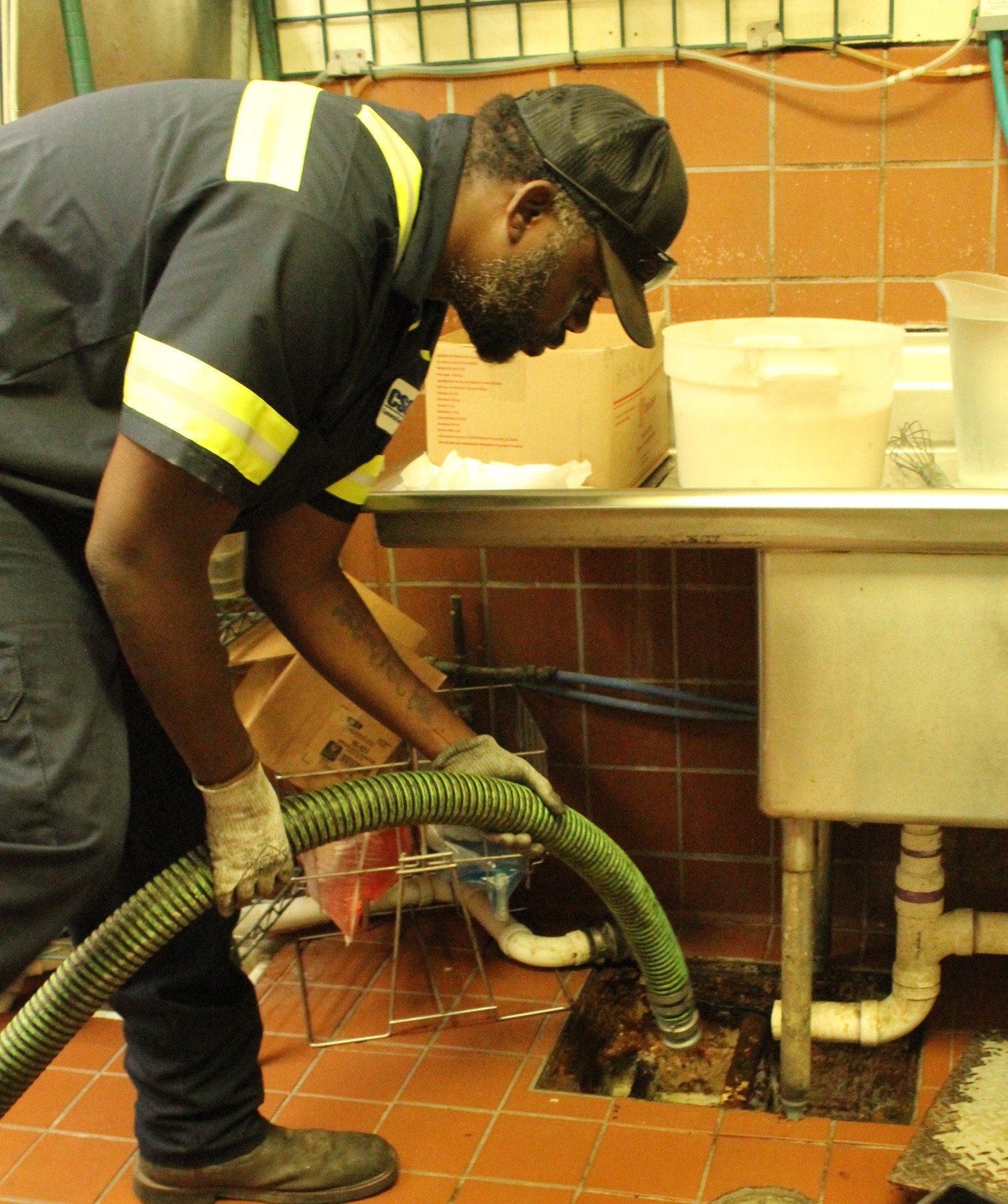
Commercial grease trap cleaning is necessary because these systems don't stay clear.
Grease traps and interceptors separate fats, oils, and solids from wastewater during operation.
As accumulation increases, system capacity decreases.
Left alone, it leads to slow drainage, backups, and larger system problems.
Grease enters the system during normal operation.
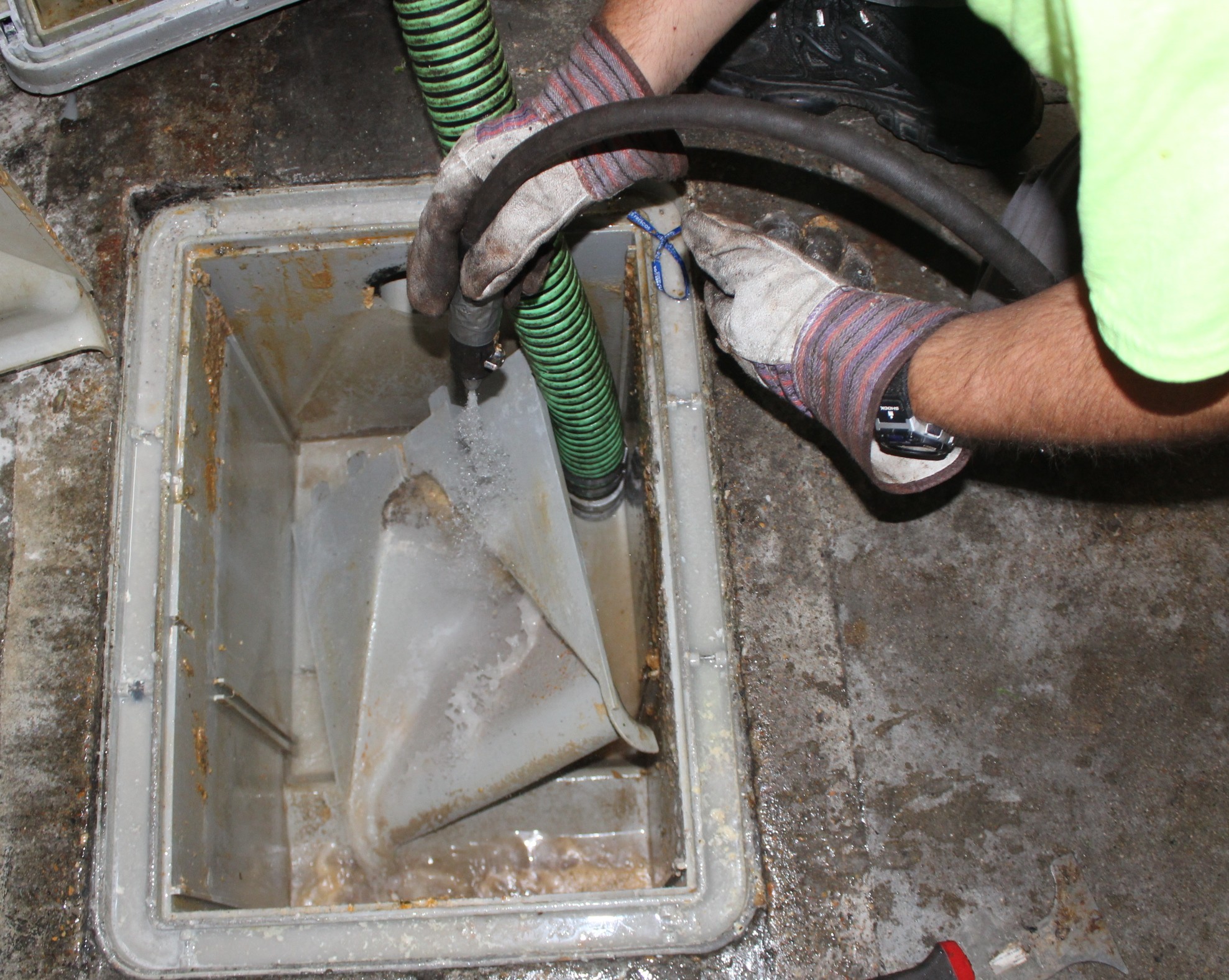
It collects inside the trap or interceptor, separating from water and building up over time.
At first, the system keeps up. But as the grease layer grows, it begins to limit flow and reduce how much the system can handle.
Once that happens, problems follow.
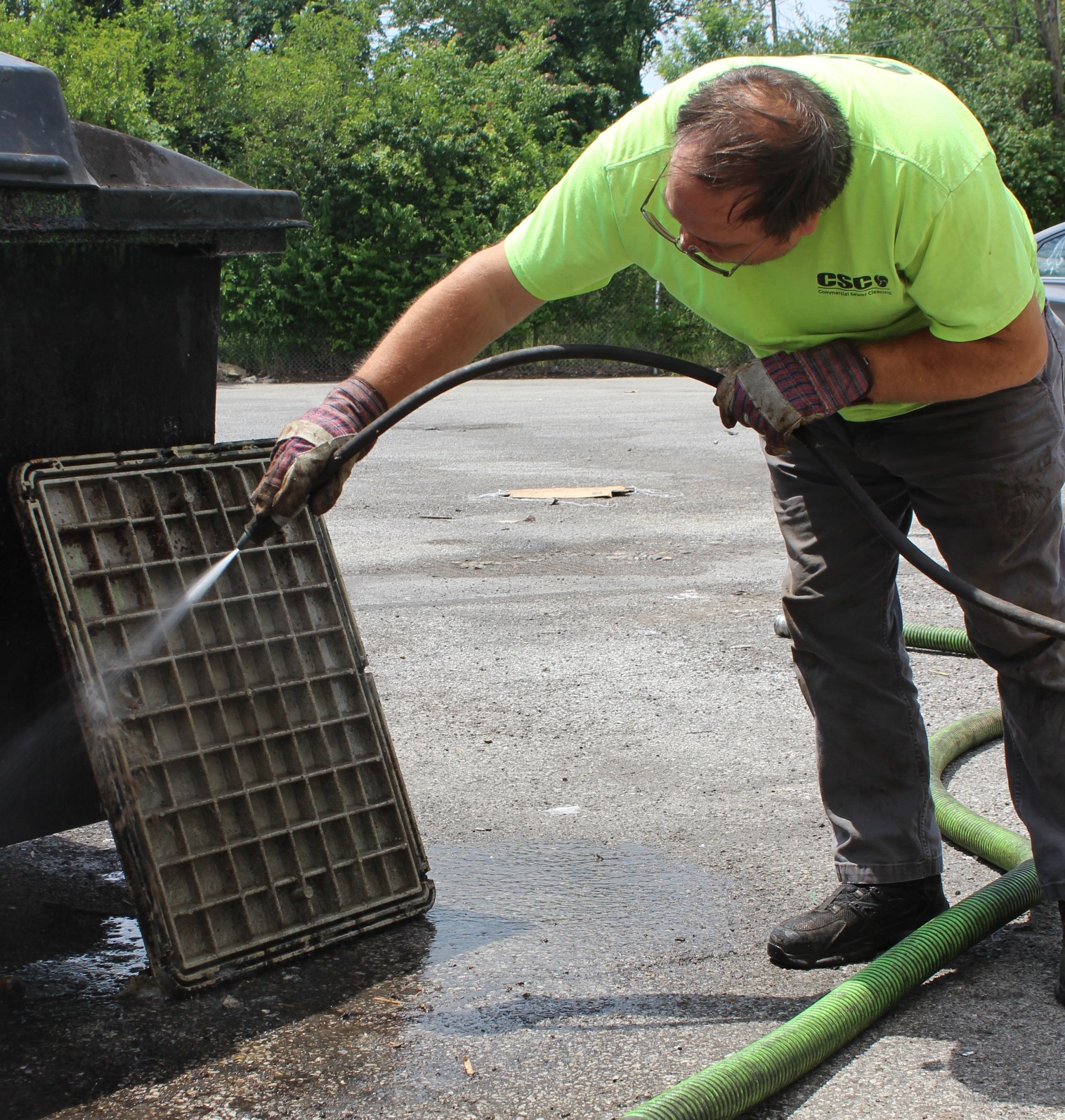
Grease trap cleaning service involves removing the material that has accumulated inside the trap and restoring its ability to function.
Pumping out grease, solids, and wastewater from inside the system.
Removing residual buildup from the interior surfaces of the trap.
Clearing the system so it can operate normally.
Hauling and disposing of waste material responsibly.
Grease trap cleaning and grease pit cleaning are often used interchangeably, depending on how the system is set up. Either way, the goal is the same — remove the buildup before it causes problems.
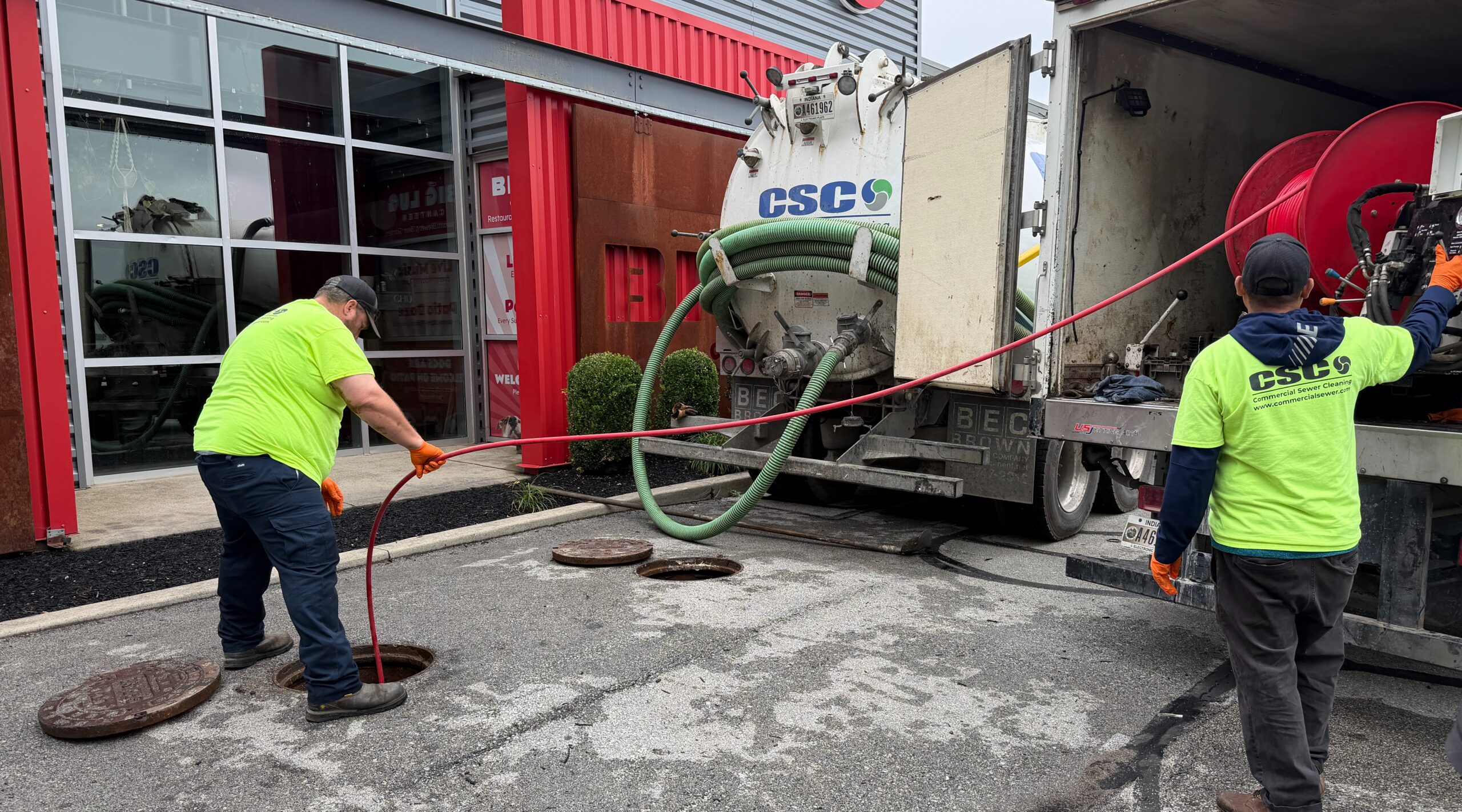
Larger facilities typically rely on a grease interceptor instead of a smaller trap. These systems handle higher volumes and require consistent service to remain effective.
When a grease interceptor fills up, it doesn't just affect one fixture — it can impact the entire system.
Cleaning removes that buildup and keeps the system operating.
What you need to know about grease trap maintenance, frequency, and when something is wrong.
Grease buildup doesn't happen all at once. It develops over time based on how the system is used.
High-volume kitchens may need service on a set schedule, usually quarterly, while lower-use facilities may go longer between cleanings.
Commercial grease trap cleaning is usually performed regularly to avoid reaching capacity.
In most cases, the system will show signs before it fails. These are signs that the system is nearing or past capacity.
Slow or restricted drainage
Recurring clogs in the same area
Noticeable odors from the system
Grease visible in the trap or at cleanout
Backups or near-overflow conditions
Once grease moves beyond the trap or interceptor, it becomes a larger problem.
It can enter the line, where it then solidifies, becoming harder to remove over time, contributing to blockages and requiring more extensive cleaning.
Regular grease trap cleaning service helps contain the problem where it starts and keeps the rest of the system from being affected.
Commercial Sewer Cleaning provides grease trap cleaning services throughout Indianapolis, Marion County, and surrounding Central Indiana communities.
We work with restaurants, commercial kitchens, and facilities that rely on these systems every day.
If your system needs grease trap cleaning, contact our team or submit a service request through the website.
We'll remove the buildup and get things working again.